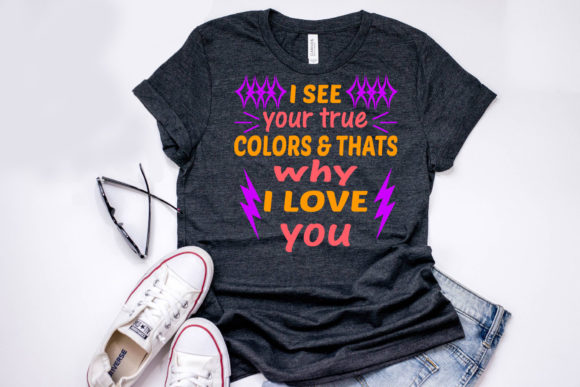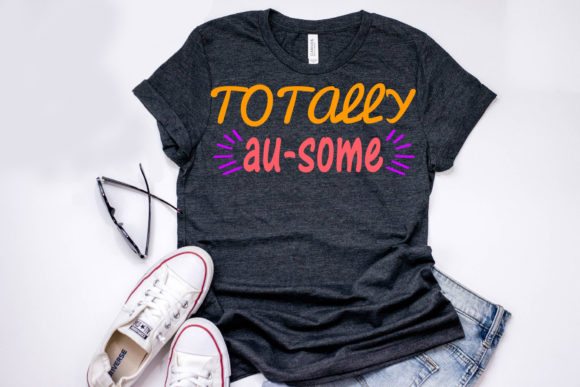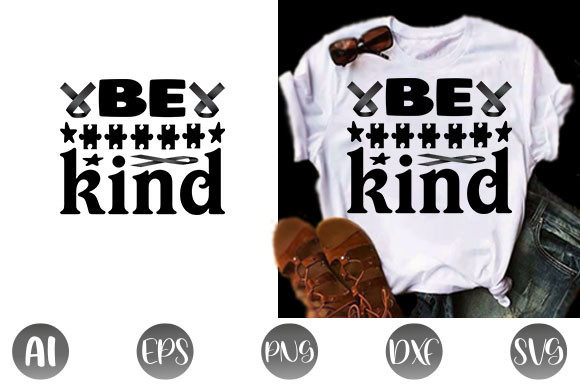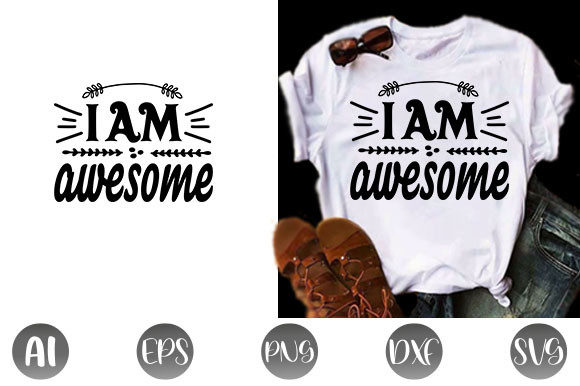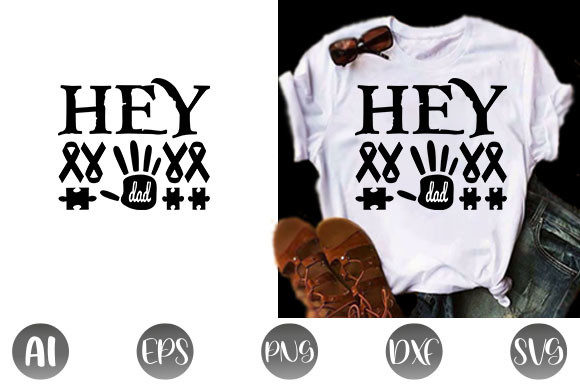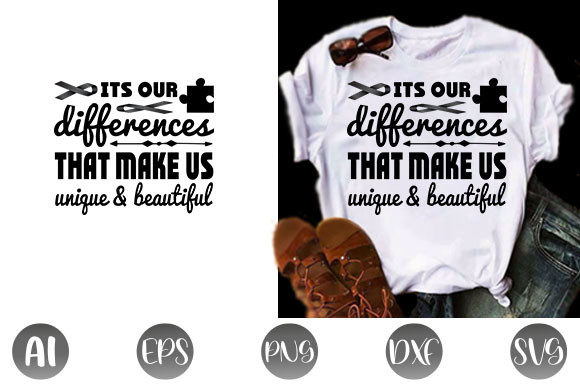
Autism Quote Design Graphics for T-Shirt Designs
As a handmade business designer who’s shipped over 12,000 custom craft orders—from Cricut-cut vinyl shirts to sublimated mugs and printable planner kits—I opened Autism Quote Design,its Our Differences with quiet anticipation. Not just as another digital download, but as a potential cornerstone for my spring “Neurodiversity Collection”—a limited-run line of inclusive gifts I’m prepping for Etsy, local craft fairs, and school district partnerships. Right away, the design landed with warmth: clean lines, balanced negative space, and a gentle uplift in its phrasing—“it’s our differences that make us unique beautiful”. It doesn’t shout; it affirms. That subtle tone makes it ideal for customers seeking thoughtful, non-stereotypical autism-themed products—parents, educators, self-advocates, and allies who value dignity over decoration.
This isn’t a flashy, glitter-heavy graphic—it leans into quiet elegance. Think soft serif pairing, minimalist layout, and intentional spacing—not rustic, not playful, not festive—but deeply human. It reads as calm, respectful, and premium. That mood translates beautifully across product types: a delicate tumbler wrap for a therapist’s office, a muted cotton tote for an inclusive preschool, or a matte-finish greeting card for Autism Acceptance Month. It attracts buyers who scroll past clichés and pause for sincerity.
In real crafting workflow, Autism Quote Design,its Our Differences shines where clarity and emotional resonance matter most. I tested it across six core uses:
- Cricut & Silhouette projects: The SVG file imported cleanly—no stray nodes or overlapping paths. I resized it from 3” to 10” without jagged edges, and it cut flawlessly on smooth vinyl for shirts and reusable stickers. The DXF version worked perfectly for my older Silhouette Cameo 3 when nesting with coordinating shapes.
- T-shirt design: Paired with a lightweight cotton tee and soft-touch HTV, the phrase reads clearly at 6.5”. On dark fabric, I reversed the design and used white underbase—no bleed, no pixelation. It’s strong enough for print-on-demand but refined enough for small-batch hand-pressing.
- Mug & tumbler wrap: At 4.25” wide, it wraps cleanly around standard 11oz ceramic mugs. The PNG’s transparent background layered smoothly into my Canva mockup—and held crisp detail after sublimation testing (385°F, 60 sec, medium pressure).
- Printable design & planner stickers: Printed on kiss-cut sticker paper at 2.75”, every letter remained legible. No thin-line breakage—even the subtle curve in “differences” stayed intact. Ideal for neurodivergent-friendly habit trackers or affirmation cards.
- Gift tags & packaging accents: Used the EPS version to scale down to 1.25” for kraft gift tags—still readable. I also layered it behind hand-lettered names on thank-you cards, letting the quote anchor the sentiment without competing.
- Scrapbooking & wall art: The high-res PNG (300 DPI, transparent) printed gorgeously on matte photo paper. Mounted on foam tape, it added quiet impact to a framed sensory toolkit display at last month’s craft fair.
Where does this graphic design asset truly excel? In large-cut applications (tote bags, wall decals), clean printable layouts (digital downloads sold on Etsy), seasonal craft bundles (paired with rainbow spectrum icons or puzzle-piece-free patterns), and personalized items (adding a name or birthstone icon beside the quote). It also builds trust in small business branding—I’ve already added it to my shop banner and order confirmation emails as part of a consistent, values-aligned voice.
Use with care in these scenarios: very small sticker sizes (<1”), layered vinyl projects requiring intricate weeding (the “u” in “our” has fine interior counters), or low-contrast color combos (e.g., light gray on heather grey fabric). Avoid cramming it into crowded compositions—its power is in breathing room. And never skip testing: I always run a 3” test cut on scrap vinyl before cutting customer orders, and I preview the PNG transparency against both white and black backgrounds in Photoshop to confirm readability.
Practical notes from years of shipping real handmade products:
- Always open the SVG in Inkscape or Illustrator first—check for hidden layers or grouped text that may not release cleanly in Cricut Design Space.
- For sublimation, verify the PNG is truly 300 DPI and RGB—not upscaled from a web preview.
- When resizing for different products, maintain proportional scaling—don’t stretch width-only. I keep a quick reference sheet: 4.5” for tumblers, 6.25” for adult tees, 2.5” for sticker sheets.
- Pair it thoughtfully: a warm sans serif (like Montserrat Light) reinforces modern clarity; a gentle script (e.g., Qwitcher Glyph) adds tender contrast—but avoid overly decorative fonts that distract from the message.
- Confirm commercial license terms before listing on Etsy or fulfilling wholesale orders. This file includes clear commercial rights—no attribution required—but always double-check the seller’s policy page.
What sets Autism Quote Design,its Our Differences apart isn’t just file variety (EPS, SVG, PNG, DXF)—it’s how each format behaves *in motion*: how the SVG holds up during multi-layer cuts, how the PNG drops seamlessly into Canva templates for digital product listings, how the EPS scales for large-format prints on fabric banners. As a creative marketplace seller myself, I know how rare it is to find a graphic design asset that bridges emotional intention and technical reliability—without needing hours of cleanup.
If you’re building a handmade business rooted in authenticity—not trend-chasing—this is more than clipart. It’s a quiet, confident tool for creating products that resonate, sell steadily, and reflect your values without compromise. Whether you’re prepping for your next craft fair booth, launching a printable design bundle, or fulfilling a heartfelt custom order, Autism Quote Design,its Our Differences earns its place in your working library—not as filler, but as foundation.