Bee Kind: A Thoughtful Embroidery Design for Real Projects
As a designer who’s stitched hundreds of custom pieces—from boutique aprons to baby onesies and Etsy bestsellers—I opened Kindness Quote Design,Bee Kind expecting charm. What I found was something more useful: a quietly confident, versatile embroidery file that lands just right between playful and polished.
First Impressions: Warm, Clear, and Purpose-Built
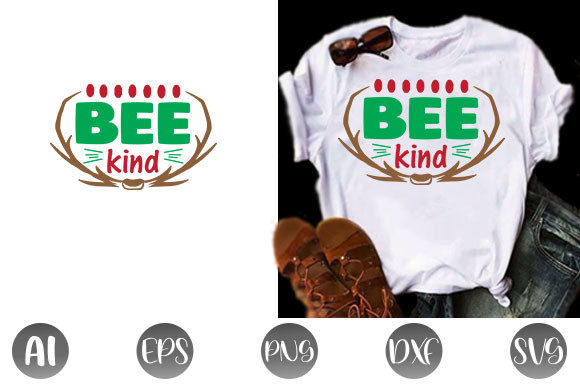
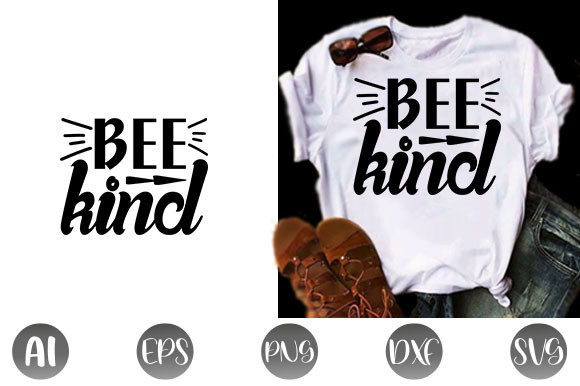
The design reads instantly: “Bee Kind” in friendly, rounded lettering with a small, stylized bee nestled beside or integrated into the ‘B’. It’s not fussy—no excessive swirls or fragile linework—and that’s its strength. The spacing between letters is generous, the curves are smooth but not overly soft, and the bee has just enough detail (wings, antennae, gentle shading) to read clearly at 2–3 inches tall. It feels handmade without looking amateurish—exactly the tone customers respond to in personalized gifts and small-shop merchandise.
I pictured it immediately on a natural linen tote bag for a local coffee shop’s staff gift: earthy fabric, muted thread (oatmeal + soft gold), clean hoop placement near the bottom corner. No visual competition—just warmth, intention, and quiet brand alignment.
Where It Shines in Real Embroidery Work
Kindness Quote Design,Bee Kind works especially well for projects where clarity and emotional resonance matter more than flash. Think sweatshirt embroidery for teachers’ appreciation week, embroidered patches sewn onto denim jackets for youth groups, or pillow covers for nursery decor. Its balanced proportions hold up beautifully on curved surfaces like caps—if digitized thoughtfully—and translate cleanly to baby embroidery on onesies or burp cloths, where simplicity prevents puckering and ensures durability through repeated washing.
For Etsy sellers and craft fair vendors, this design supports storytelling without overcomplicating it. Pair it with a short product description about kindness as a daily practice—not just a trend—and customers connect faster. It also scales well for printable mockups: whether you’re showing it on a light heather grey t-shirt or a dark navy tea towel, the contrast remains legible and inviting.
Where to Proceed With Care
This isn’t a one-size-fits-all embroidery file—and that’s okay. Because it includes fine line work in the bee’s wings and subtle curve definition in the lettering, it demands attention on textured fabrics (like heavy terry cloth or bouclé knit) and stretchy materials (think cotton-Lycra blends). On those, stabilizer choice becomes non-negotiable: medium-weight cutaway for stability, plus light tear-away on top if needed for surface smoothness.
Avoid using Kindness Quote Design,Bee Kind on very small hoops (<2.5”) unless you’ve verified the smallest elements—like wing outlines or the bee’s tiny eyes—won’t collapse into fill stitch or vanish entirely. Likewise, dense stitch areas (especially where the bee meets the ‘B’) may need slight density adjustment in your embroidery software to prevent stiffness on lightweight fabrics like voile or rayon challis.
Dark fabric? Test thread contrast first. A pale yellow or cream satin stitch reads warmly on black—but only if the fill stitch isn’t too dense. And while it’s lovely on holiday embroidery (think embroidered kitchen towels for Thanksgiving or spring baby showers), skip layering it over busy prints or heavily embroidered backgrounds—it’s meant to stand alone with quiet confidence.
Design Integrity Meets Customer Trust
What makes Kindness Quote Design,Bee Kind feel trustworthy in a commercial embroidery context isn’t just its aesthetic—it’s how it supports professionalism in execution. When stitched cleanly, it elevates a basic tote bag from generic to giftable. On a custom-ordered embroidered patch, it signals care—not just in message, but in construction. Customers notice when lettering doesn’t bleed, when bees don’t look like smudged blobs, and when the overall piece feels intentional rather than slapped on.
That perception directly impacts perceived value. A $28 embroidered sweatshirt with this design feels like a considered purchase—not just apparel, but a small act of affirmation. For small shop owners building brand consistency, it offers reliable tone: kind, grounded, and human-scaled.
Practical Notes Every Embroidery Designer Should Check
- Test before committing: Run Kindness Quote Design,Bee Kind on scrap fabric matching your final project’s weight and stretch.
- Review stitch density: Especially around the bee’s wings and inner curves—adjust if needed for your fabric and thread combo.
- Confirm hoop size compatibility: Measure the design’s widest point and compare it to your most-used hoops.
- Inspect small details: Zoom in on your embroidery software preview—do wing edges stay crisp? Does the ‘B’ maintain shape without distortion?
- Mock it in black and white: Helps spot contrast issues before stitching on dark or light fabric.
- Use proper stabilizer: Cutaway for knits, tear-away for stable wovens, and always match stabilizer weight to fabric drape.
- Check licensing terms: Since the ZIP includes EPS, SVG, PNG, and DXF files—and lists uses like vinyl decals and stickers—confirm whether commercial embroidery rights are included before selling finished products or digital embroidery files.
Bottom line? Kindness Quote Design,Bee Kind isn’t flashy—but it’s dependable. It fits naturally into a thoughtful embroidery project workflow, supports genuine connection with buyers, and holds up across categories: T-Shirt Designs, Graphics for craft business use, and even cross-platform assets for social media or packaging. It reminds us that sometimes, the most effective embroidery designs aren’t the loudest—they’re the ones that land softly, clearly, and true.